Business Waste Removal Deptford — Health and Safety Policy
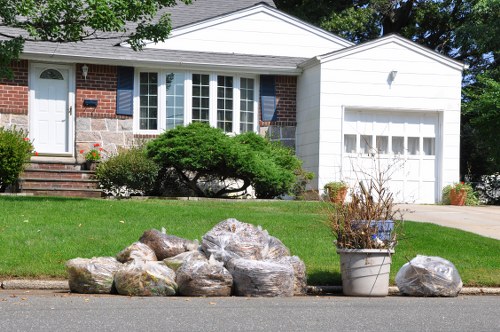
This policy sets out the commitment of our commercial waste and rubbish removal teams to maintain safe working environments across our service area. The business waste removal Deptford operation recognises that safety is integral to reliable rubbish collection, and the following statements describe organisational responsibilities, worker obligations and safe systems of work. Our approach balances practical control measures with continuous improvement so that the waste collection and commercial rubbish removal in Deptford is conducted with minimum risk to people and property.We adopt a proactive risk management culture that identifies hazards associated with typical tasks such as loading, transporting and tipping business waste. Site assessments are completed for new contracts and periodically reviewed for ongoing jobs. Staff receive induction and task-specific training, and supervisors use checklists to ensure that vehicles and equipment are maintained to standards that reduce the chance of incidents. The policy emphasises safe manual handling, appropriate use of PPE and the correct segregation of materials to avoid hazardous interactions during refuse removal operations.
Scope and Applicability
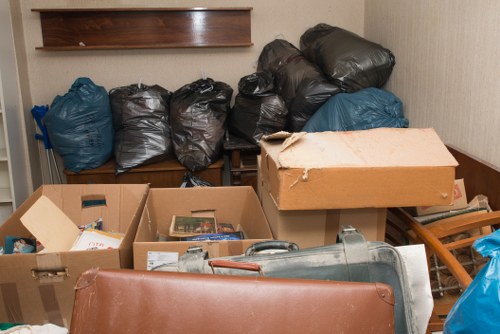
This document applies to all employees, sub-contractors and temporary workers involved in commercial rubbish clearance, trade waste collection and any ancillary work performed by our rubbish company service area. It outlines responsibilities at every level: management ensures policy implementation, operatives follow safe work methods, and health and safety representatives facilitate communication. Although tailored for commercial waste removal tasks, the policy is aligned with wider occupational health and safety principles and supports a consistent, documented approach across our entire service area.Risk Assessment and Control Measures
Risk assessments are conducted for routine collections, large-scale clearances and special waste types. Controls include mechanical aids for heavy loads, clear signage, traffic management plans for roadside collections and lock-out procedures for machinery maintenance. Where contaminants or hazardous substances are present, material is segregated, labelled and handled by trained staff. The policy mandates that vehicle operators complete pre-shift checks and that waste transfer notes are completed as required for traceability, ensuring safe chain-of-custody during transport within the local service area.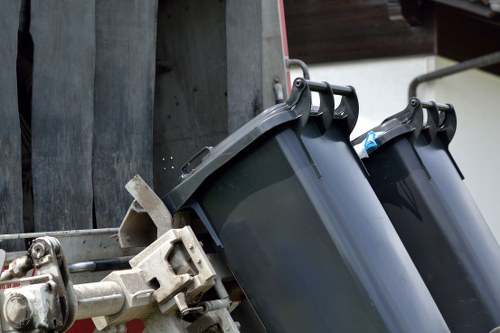 Training, Competence and Supervision
Employees receive structured training covering manual handling, vehicle operation, spill response, first aid and incident reporting. Competence is assessed through practical observation and refresher learning. Supervisors carry responsibility for on-site safe systems, monitoring compliance and coaching staff to correct unsafe behaviours. A training matrix is maintained to match qualifications with roles, and new starter inductions include specific procedures for the removal of trade waste and commercial refuse to ensure consistency of practice.
Training, Competence and Supervision
Employees receive structured training covering manual handling, vehicle operation, spill response, first aid and incident reporting. Competence is assessed through practical observation and refresher learning. Supervisors carry responsibility for on-site safe systems, monitoring compliance and coaching staff to correct unsafe behaviours. A training matrix is maintained to match qualifications with roles, and new starter inductions include specific procedures for the removal of trade waste and commercial refuse to ensure consistency of practice.
The following control priorities guide day-to-day operations and emergency preparedness:
- Elimination: Avoid unnecessary handling by optimising collection frequency.
- Substitution: Use safer containment or packaging for sharp or infectious items.
- Engineering controls: Maintain lifting aids, covers and secure load restraints.
- Administrative controls: Implement safe systems, signage and permit-to-work where needed.
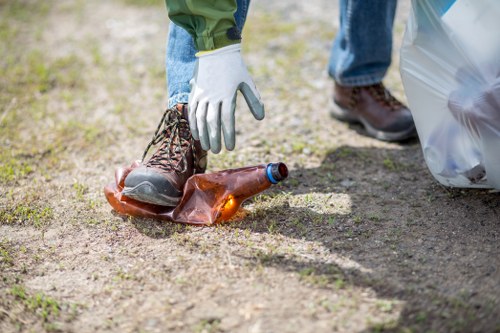
- PPE: Provide gloves, high-visibility clothing and respiratory protection when hazards are present.
Accident reporting and investigation are essential parts of the policy. All incidents, near misses and unsafe conditions are reported promptly and investigated to identify root causes and corrective actions. Records of incidents, training, vehicle maintenance and risk assessments are retained and reviewed at regular intervals. Lessons learnt are shared with operational teams so that patterns of risk can be addressed, promoting continuous improvement in our commercial waste removal practices.
 Health, Welfare and Wellbeing
Our commitment extends to the health and welfare of staff. Facilities for handwashing, rest breaks and access to first aid are provided during operations. Mental health considerations and fatigue management are emphasised given the physical nature of refuse collection. Managers are encouraged to monitor workloads and provide support where needed, ensuring that personnel tasked with business waste collection can perform duties safely and without undue strain.
Health, Welfare and Wellbeing
Our commitment extends to the health and welfare of staff. Facilities for handwashing, rest breaks and access to first aid are provided during operations. Mental health considerations and fatigue management are emphasised given the physical nature of refuse collection. Managers are encouraged to monitor workloads and provide support where needed, ensuring that personnel tasked with business waste collection can perform duties safely and without undue strain.
 Monitoring, Review and Policy Governance
This policy is reviewed periodically and updated following legislative changes, significant incidents or operational changes in the rubbish removal sector. Performance indicators such as incident rates, audit outcomes and training completion are used to measure effectiveness. Ultimately, management is responsible for ensuring the policy is implemented and understood, while every team member is empowered to stop unsafe work and report hazards. By prioritising health and safety within our business waste and commercial rubbish removal services, we protect people, preserve assets and support reliable service delivery across our service area.
Monitoring, Review and Policy Governance
This policy is reviewed periodically and updated following legislative changes, significant incidents or operational changes in the rubbish removal sector. Performance indicators such as incident rates, audit outcomes and training completion are used to measure effectiveness. Ultimately, management is responsible for ensuring the policy is implemented and understood, while every team member is empowered to stop unsafe work and report hazards. By prioritising health and safety within our business waste and commercial rubbish removal services, we protect people, preserve assets and support reliable service delivery across our service area.
