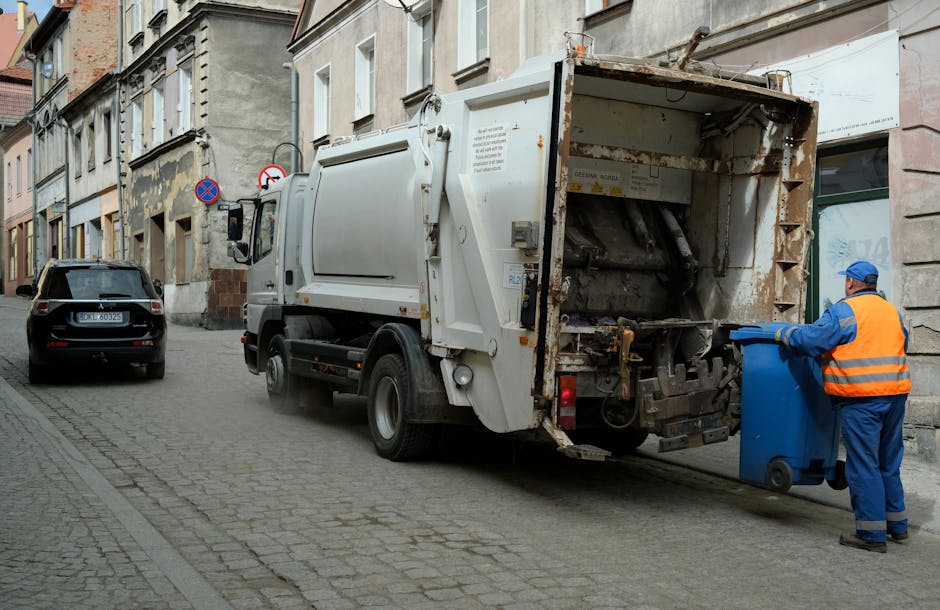
Rubbish removal guide for Deptford High Street flats
Living in a flat on Deptford High Street can be brilliant: you're close to shops, transport, and the buzz of everyday London life. But rubbish removal? That's where the charm can wobble a bit. Narrow stairwells, shared entrances, parking restrictions, awkward bin stores, and the very real problem of "where on earth do I put this old sofa?" can turn a simple clear-out into a small logistical headache.
This Rubbish removal guide for Deptford High Street flats is here to make the process feel manageable. Whether you're getting rid of a mattress, old furniture, builders' debris, or a few black bags that have become a bigger job than expected, you'll find practical advice here on planning, safety, compliance, and the best way to avoid stress. Let's face it, flat clearances are rarely glamorous. But done properly, they can be quick, tidy, and surprisingly straightforward.
Table of Contents
- Why rubbish removal in Deptford High Street flats matters
- How rubbish removal works in a flat setting
- Key benefits and practical advantages
- Who this is for and when it makes sense
- Step-by-step guidance
- Expert tips for better results
- Common mistakes to avoid
- Tools, resources and recommendations
- Law, compliance, standards, and best practice
- Options, methods, and comparison table
- Case study or real-world example
- Practical checklist
- Conclusion
- Frequently asked questions
Why Rubbish removal guide for Deptford High Street flats Matters
Flats on or near Deptford High Street tend to come with shared access, limited storage, and a constant need to keep common areas clear. That makes rubbish removal more than just a tidy-up task. It's about keeping the building safe, protecting neighbours from mess and blocked routes, and making sure waste is dealt with properly the first time.
A single bulky item left in a hallway can cause problems very quickly. It can obstruct an escape route, make cleaning harder, and trigger complaints from residents or managing agents. In a compact building, even a few bags left "just for now" can become a nuisance. We've all seen that one corner by the bins where things mysteriously multiply overnight.
There's also a practical side. Flat residents often can't just wheel waste out to a driveway or load it into a van at the kerb. So the method matters. Good planning saves time, keeps communal spaces decent, and helps you avoid a second trip because the lift is too small for the wardrobe you forgot to measure. To be fair, that happens more often than people admit.
If you're dealing with furniture, white goods, old mattresses, or mixed household waste, it helps to understand which items need specialist handling and which can go with a standard clearance. That's where services such as flat clearance and general waste removal can be useful, especially when access is tight and time is limited.
How Rubbish removal guide for Deptford High Street flats Works
In a flat, rubbish removal usually works in one of three ways: you sort and bag the waste yourself, you book a team to collect and clear it, or you combine both approaches. The right route depends on what you're getting rid of, how much there is, and whether any of it needs careful handling.
For smaller loads, residents may separate everyday rubbish, cardboard, textiles, or small household items. For larger clear-outs, the process is more structured. A team will usually assess access, volume, and item type before deciding how to remove everything safely. In older buildings, stair turns and narrow landings matter just as much as the waste itself.
In practice, a good flat clearance usually follows this pattern:
- Identify what needs removing and what should stay.
- Separate reusable, recyclable, and non-recyclable items.
- Check access routes, lift size, and any building rules.
- Set a collection time that avoids peak foot traffic where possible.
- Remove waste carefully, leaving shared spaces clean and undamaged.
Some items need extra thought. Fridges, freezers, and other appliances may need a specific disposal route. Mattresses and sofas often benefit from dedicated handling too. If you've got mixed items, a provider offering fridge and appliance removal or mattress and sofa disposal can simplify things considerably.
One thing people overlook: you don't need the whole job to feel big before taking it seriously. A single bulky item in a top-floor flat can take more planning than a pile of bagged waste on the ground floor. That's normal, and it's why flat-focused clearance exists in the first place.
Key Benefits and Practical Advantages
The biggest benefit is simplicity. When rubbish is removed correctly from a Deptford High Street flat, you avoid dragging items down staircases yourself, trying to find parking in a busy stretch of road, or making multiple trips to a recycling site. That alone can save an afternoon and a fair bit of frustration.
There's also the cleanliness factor. Proper removal keeps hallways, lifts, entrances, and bin stores free from clutter. That matters in flats because shared spaces are part of everybody's daily experience. Nobody wants to step over broken cardboard or squeeze past a mattress leaning in the corridor.
Other advantages include:
- Less physical strain - heavy lifting is reduced, which lowers the risk of knocks, slips, or strained backs.
- Faster turnaround - especially useful if you're moving out, renting, or preparing a property for new tenants.
- Better space planning - you can clear storage areas, balconies, or spare rooms without turning the flat upside down.
- More responsible disposal - recyclable and reusable items can be separated more effectively.
- Reduced neighbour friction - fewer complaints, less mess, fewer awkward conversations in the lift.
If your flat clear-out is part of a bigger move, you might also need support with household items or office-like clutter. In those cases, pages such as furniture clearance, home clearance, and even office clearance can help match the job to the right type of removal.
And yes, the emotional benefit is real too. A cleared flat feels lighter. Quieter, even. You notice it most in the morning, when the extra pile by the door is gone and the space suddenly breathes again.
Who This Is For and When It Makes Sense
This guide is for tenants, landlords, leaseholders, letting agents, and anyone living in a flat on Deptford High Street who needs rubbish removed without the usual hassle. It's especially useful if you're working with limited access or a deadline. Those two together? A classic London stress cocktail.
It makes sense to arrange proper rubbish removal when:
- you're moving out or moving in
- you've bought new furniture and need the old items gone
- you're clearing a storage cupboard, loft space, or under-stair area
- your flat has accumulated mixed household waste over time
- you're dealing with a post-refurbishment clean-up
- you can't safely move bulky items yourself
- you need waste out quickly and neatly
It's also a sensible option for landlords between tenancies. Empty flats can still end up with leftover items, abandoned furniture, or a surprise bag of old paperwork. If there's sensitive material involved, confidential shredding is worth considering rather than just stuffing papers into general rubbish.
And if the property has seen recent repairs, builders' waste may be mixed in with regular rubbish. That's where a more specific service, like builders waste clearance, can make the difference between a tidy finish and a half-done one.
Step-by-Step Guidance
Here's the cleanest way to tackle rubbish removal in a Deptford High Street flat without making the process harder than it needs to be.
- Walk through the flat first. Make a list of items to keep, donate, recycle, or remove. Be honest here. That broken side table you were "going to fix" probably isn't coming back to life.
- Separate special items early. Put aside appliances, glass, electronics, mattresses, and anything sharp, heavy, or potentially hazardous.
- Measure the problem items. Doorways, stairs, lifts, and tight corners matter more than you think. If a sofa won't turn at the landing, it needs a different plan.
- Clear a safe route out. Move shoes, mats, planters, and loose clutter from the hallway. Shared access should stay clear.
- Package waste properly. Bag small rubbish securely and flatten cardboard where possible. This helps with speed and reduces the chance of spills.
- Book the right kind of collection. Match the service to the load. A small mixed load is not the same as a full flat clearance.
- Check payment, timing, and access instructions. Make sure the collection window fits your building rules and your own schedule.
- Do a final sweep. Look behind doors, under beds, and in cupboards. The forgotten items are always the ones that hide best.
If you're unsure what can go with what, it helps to review guidance such as what can go in a skip, even if you're not booking a skip. The logic is still useful: separate general waste from specialist or restricted items before collection day.
For people who want a simpler route, it can be worth reviewing pricing and quotes before booking. Knowing how the job is likely to be assessed helps you avoid surprises later on.
Expert Tips for Better Results
In our experience, the smoothest flat removals are the ones where the resident does a little prep before collection day. Nothing fancy. Just sensible, small things that save time and reduce friction.
Tip 1: group items by removal difficulty. Put the easiest items nearest the exit and the awkward stuff in a separate cluster. That way the team doesn't have to constantly zig-zag through the flat.
Tip 2: keep one "maybe" pile out of the way. If you're not sure whether an item stays or goes, isolate it. Don't let uncertainty spread through the whole flat. It gets messy fast.
Tip 3: protect common areas. If you're removing furniture, use blankets or corner protection where needed. A scratched wall in a communal stairwell can become a needless issue, and nobody wants that conversation.
Tip 4: consider the weather. A rainy morning on Deptford High Street can make entrances slippery. If the route in and out is busy or damp, a bit more care is worth it.
Tip 5: think about recycling before the van arrives. Separate cardboard, metals, and reusable items where possible. Services that focus on recycling and sustainability make it easier to keep as much as possible out of general waste streams.
Another useful point: if you're getting rid of a lot of furniture, it may be more efficient to use a dedicated furniture service rather than treating each item as a separate problem. That's where furniture disposal becomes practical rather than just convenient.
And a small human reminder: don't leave everything until the final hour. The last-minute flat clearance is where people start talking to themselves. Not ideal.
Common Mistakes to Avoid
Most rubbish removal problems in flats are avoidable. The trouble is, the avoidable stuff is exactly what people miss when they're busy.
- Ignoring access issues. A load may be small, but if the lift is narrow or broken, the job changes completely.
- Mixing ordinary rubbish with specialist waste. Appliances, sharp items, and potentially hazardous materials should not be treated casually.
- Blocking communal areas. Even temporarily, this can create safety issues and annoy neighbours.
- Underestimating volume. Bags, boxes, and broken items can add up quickly. A "few bits" becomes a van load before you know it.
- Forgetting landlord or building rules. Some flats have specific collection windows or access instructions.
- Leaving items unbagged or loose. That usually means spills, dirt, and a longer job for everyone involved.
- Booking the wrong service type. A full flat clearance is not the same as single-item collection.
One of the more common mistakes is assuming every old item can just be put outside and dealt with later. In a block of flats, that can quickly become an issue. It might even lead to a complaint, and then the job is no longer just about waste. It becomes about restoring trust with neighbours or the building manager.
Tools, Resources and Recommendations
You do not need specialist equipment for every flat clear-out, but a few simple tools can make the job much easier.
- Heavy-duty bin bags for mixed household rubbish
- Gloves for handling dirty, sharp, or dusty items
- Measuring tape for doors, lifts, stair widths, and bulky furniture
- Marker labels or sticky notes to separate keep, donate, and remove piles
- Cardboard boxes for smaller loose items
- Blankets or wraps to protect walls and furniture edges during moving
- A simple checklist so nothing gets forgotten at the last minute
For item-specific clearances, it can help to look at dedicated pages such as mattress and sofa disposal, fridge and appliance removal, and furniture clearance. These are especially useful if your flat contains bulky pieces that are awkward to move or difficult to classify.
If your clear-out is part of a business move or a work-from-home reset, you may also find business waste removal helpful for separating professional clutter from domestic rubbish. That distinction matters more than people think, especially when paperwork or equipment is involved.
For service expectations, it's also worth reading the company's insurance and safety and health and safety policy information. Those details tell you a lot about how carefully a job is likely to be handled.
Law, Compliance, Standards, or Best Practice
For rubbish removal in a flat, compliance is mostly about common sense backed by proper handling. You do not need to be an expert in waste law to make good decisions, but you do need to avoid putting the wrong materials into the wrong stream.
Best practice in the UK usually means:
- keeping shared areas clear and safe
- separating recyclable items where practical
- handling sharp or heavy waste carefully
- not leaving waste in public or communal spaces without permission
- using a provider that can deal appropriately with different waste types
If hazardous items are involved, extra care is needed. Paints, chemicals, solvents, and similar materials should not be mixed into general waste without checking the correct route. That is where hazardous waste disposal becomes relevant. Better to pause and ask than to guess. Honestly, guessing with waste is not a great hobby.
For buildings with residents, another practical standard is respect for access and timing. Flat owners and tenants should avoid blocking fire exits, stairwells, or bin stores. If you're not sure what's acceptable, the safest rule is simple: don't place anything where it could inconvenience or endanger others.
From a trust perspective, it is sensible to check that any company you hire explains how payment is handled, how waste is managed, and how complaints are dealt with. Relevant pages such as payment and security, terms and conditions, and complaints procedure can help you understand the working standards behind the service.
Options, Methods, and Comparison Table
There is no single right way to remove rubbish from a Deptford High Street flat. The best method depends on volume, item type, access, and how much effort you want to put in yourself.
| Method | Best for | Advantages | Limitations |
|---|---|---|---|
| Self-bagging and council-style disposal | Small amounts of general rubbish | Low cost, simple for light loads | Time-consuming, awkward for bulky items, access issues remain |
| Skip-based clear-out | Mixed waste from larger jobs | Useful for ongoing renovation or larger volumes | Can be difficult near flats, space and permit issues may apply |
| Man-and-van style collection | Bulky items, moderate loads, fast removal | Flexible, ideal for flats, less lifting for you | Needs proper access planning and clear item separation |
| Dedicated flat clearance | Full or partial flat emptying | Best for multi-item jobs, easier coordination, tidy finish | Not always necessary for tiny jobs |
For many Deptford High Street flats, dedicated flat clearance or a flexible waste removal visit is the sweet spot. It avoids the space problems that come with skips and saves you from doing the carrying yourself. If the job includes leftover furniture, you may want to pair it with house clearance or home clearance depending on how much of the property is being cleared.
And if your flat includes awkward storage spaces, such as a small loft or over-cupboard area, loft clearance can be relevant too. Those dusty little corners collect more than you'd expect. Years, sometimes.
Case Study or Real-World Example
Picture a two-bedroom flat above a busy stretch of Deptford High Street. The tenant is moving out at the end of the week, and the flat still contains a bed frame, a mattress, a worn-out sofa, two bookcases, several bags of mixed rubbish, and a fridge that no one wants to try hauling down the stairs by hand.
At first glance, it feels like a full-day job. But with a sensible plan, it becomes much easier. The resident sorts the small waste into bags, separates the electronics and the fridge, measures the sofa against the stairwell, and clears the hallway so the move-out route stays open. The building manager is informed in advance, which avoids awkward surprises in the common entrance.
On collection day, the bulky furniture is removed first. The mattress and appliance are handled separately, and the remaining waste is taken in one pass. No damaged walls, no blocked hall, no stressed neighbour knocking on the door. The flat is left ready for final cleaning, and the moving process feels a lot less chaotic than it might have done.
That's the real value of planning. The job doesn't become smaller, but it becomes manageable. There's a difference.
Practical Checklist
Use this checklist before any rubbish removal from a Deptford High Street flat:
- Walk through every room and identify items to remove
- Separate reusable items, recyclables, and general waste
- Set aside hazardous, sharp, or electrical items for special handling
- Measure bulky furniture against doorways, stair turns, and lifts
- Clear the hallway and protect shared spaces where possible
- Bag loose rubbish securely and flatten cardboard
- Confirm collection time and access details
- Check whether furniture, appliances, or mattresses need dedicated removal
- Review pricing, payment, and service terms before booking
- Do a final sweep of cupboards, balconies, and storage areas
Key takeaway: The cleaner the prep, the easier the clearance. That's true whether you're clearing a single room or a whole flat.
Conclusion
Rubbish removal for Deptford High Street flats is all about working smart in a tight space. Once you understand the access challenges, separate your waste properly, and choose the right kind of service, the whole process gets much less stressful. You protect the building, save yourself time, and avoid the usual last-minute scramble. Not bad for what starts as a pile of stuff by the door.
Whether you're clearing out after a move, freshening up a rented flat, or getting rid of bulky furniture that has outstayed its welcome, a careful approach pays off. And if you want the job handled properly from start to finish, use the site's service pages to explore the most relevant option for your situation. A tidy flat has a way of making everything else feel more possible.
Get a free quote today and see how much you can save.
Frequently Asked Questions
What is the easiest way to arrange rubbish removal in a Deptford High Street flat?
The easiest option is usually a flat-focused collection where the provider handles access, lifting, and disposal for you. That works especially well for bulky or mixed waste, because you do not need to solve the stairwell puzzle yourself.
Can I leave rubbish in the communal hallway before collection?
It is better not to. Communal areas need to stay clear for safety and for neighbours. If possible, keep everything inside your flat until the collection team arrives.
What happens if my sofa will not fit through the door?
That is common in flats. A team may be able to dismantle the item or remove it in sections, depending on the piece and access. Measuring first saves a lot of grief later.
Do I need a special service for fridges and freezers?
Yes, it is sensible to use a dedicated appliance removal service for fridges and similar items. They are heavy, awkward, and often need to be handled separately from normal rubbish.
How do I deal with old mattresses in a flat?
Mattresses are bulky and awkward in narrow stairwells, so a specific mattress disposal service is usually the cleanest solution. It keeps the route tidy and avoids dragging a large item through shared spaces.
Is it worth booking a full flat clearance instead of a general waste collection?
If you have multiple bulky items, mixed rubbish, or a flat that needs emptying room by room, yes. A full flat clearance is usually more efficient than trying to piece the job together item by item.
What should I do with hazardous waste like paint or chemicals?
Do not mix it into your general rubbish. Hazardous items need careful handling, so it is best to check a suitable disposal route before collection day.
Can rubbish removal help if I am moving out of a rental flat?
Absolutely. It can save time, help you leave the property in better condition, and reduce the chance of disagreements about leftover waste. That final clean sweep matters more than people think.
How can I keep costs down when clearing a flat?
Sort your waste before collection, remove anything you want to keep, and separate items that need special handling. Good prep usually means less time on site and a smoother job overall.
What if I also need to clear furniture, office items, or building waste?
Use the most relevant service page for the mix of items you have. Furniture, office clutter, and builders' rubble are not always treated the same way, so matching the service to the waste type is the sensible move.
How do I know if a waste company is operating responsibly?
Look for clear information on safety, insurance, payment, terms, and how different waste types are handled. Those pages are usually a good sign that the service is being run carefully rather than loosely.
What is the best first step if I feel overwhelmed by the amount of rubbish?
Start with one room. Don't try to tackle the entire flat in one breath. Break it into sections, make a small plan, and deal with bulky items first. Once the biggest obstacles are gone, everything else becomes easier.